Blog / How We Make Wine
What Makes Aum Cellars Wines Organic?
August 15, 2026 · Coombsville, Napa Valley · Aum Cellars
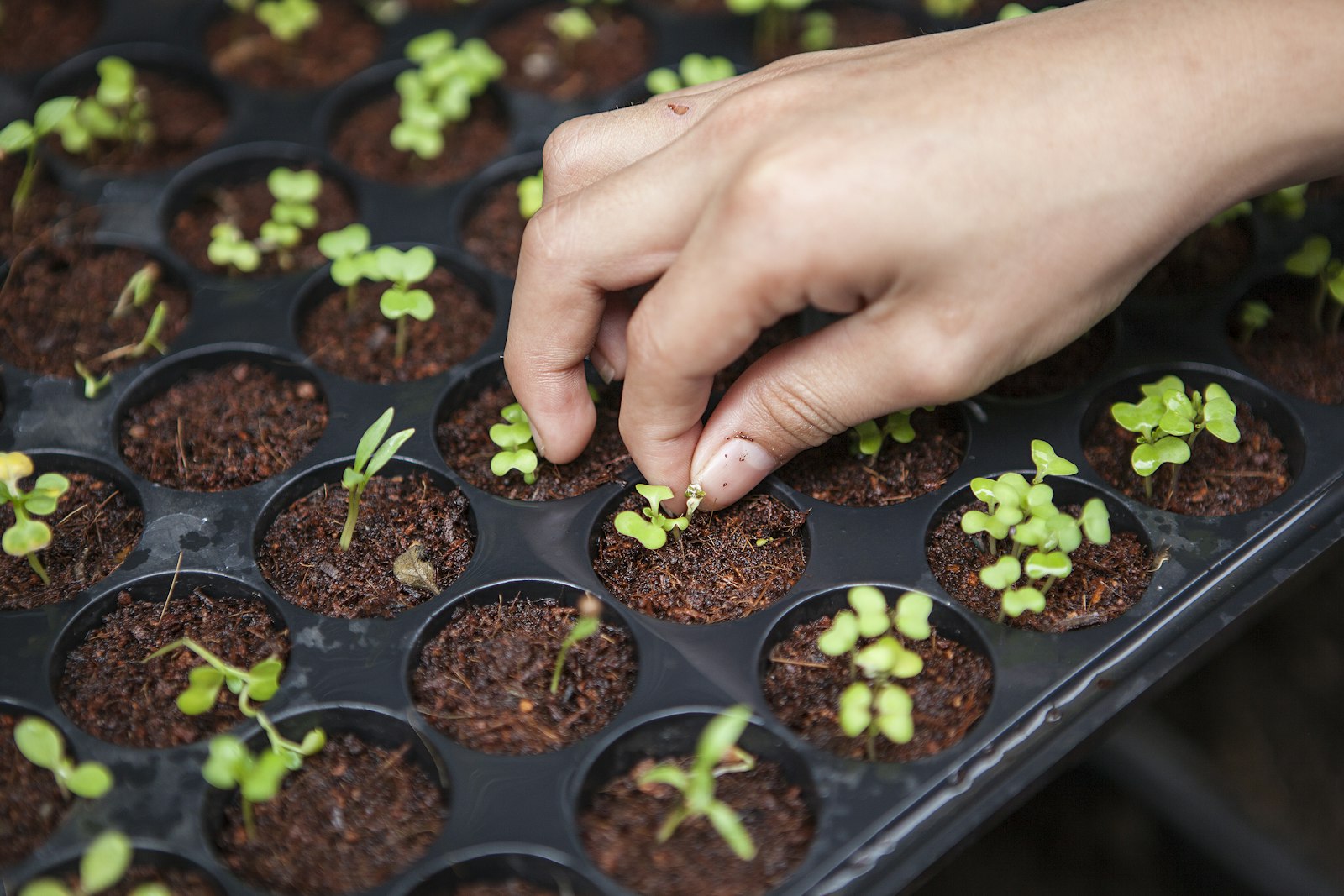
What makes Aum Cellars wines “organic,” on this site, is the estate’s farming and cellar habit — not a grocery-aisle seal. Pete Hoffmann is winemaker and viticulturist. The vineyard is organically farmed and dry-farmed, with cover crops, compost, and sheep in the dormant months. In the cellar: native yeast, wines left unfined and unfiltered, a Napoleonic preference for restraint. That is the practice. It is not a claim that Aum holds a certification, and it is not a ranking of every organically farmed bottle in California.
Who farms and makes the wine?
Pete studied ecology, managed other people’s Napa vines, taught viticulture, and released the first Hoffmann Family Winery vintage in 2003. Aum is the family label. Because he farms and ferments, vineyard decisions are made with the finished wine in mind — and with a longer view than the next pick. The tasting address is Coombsville, on Monticello Road. Estate fruit is grown on Hoffmann ground in Coombsville, Atlas Peak, Calistoga, and Mt. George. A few wines are not estate-grown; the shop says so for Russian River Pinot Noir and Sierra Foothills Grenache.
What happens in the vineyard?
Organic practice here means growing without synthetic pesticides, herbicides, or chemical fertilizers, and relying on compost, cover crops, and beneficial insects — the FAQ’s sentence, and the vineyard essay’s. Dry farming, where conditions allow, sends roots down instead of waiting on drip. Sheep graze in winter and early spring; birds and pollinators are treated as part of the same hillside. Crystals in the rows are symbols of attention, not a substitute for compost. The goal the estate publishes is healthier vines and soil that can sustain themselves.
What happens in the cellar?
Wild yeast from the vineyard and winery environment. Wines left unfined and unfiltered. Oak treated as furniture, not makeup — Pete’s comparison. No recipe designed to taste the same every year. That is how wine is made at Aum. It is the second half of the same philosophy, not a separate brand story.
Why does that matter to Aum’s style?
Because the published identity is wines that still taste like the grape and the hillside — Cabernet like Cabernet, Malbec like Malbec — and a vintage that is allowed to show. The name Aum is about connection: vineyard and wine, farmer and land. Story and vineyard use the same sentence: individuality, depth, texture, and balance; wines grown, not manufactured. That is why Pete farms and ferments as one job. The style is the method made drinkable.
How is that different from a grocery “organic” label?
On an American label, “organic wine” is a regulated claim with paperwork. Separately, growers speak of organically farmed grapes. Aum’s public language lives in the second sentence. A grocery bottle can carry a seal and still be fruit you will never walk. This page is the brand bridge: who Pete is, how the hillside is tended, how the cellar stays quiet — not a ranking of every organically farmed bottle in California.
Explore the vineyard and Pete’s approach — the story is the other door. Those two pages are the source. This note only joins them.
Questions, answered
- What makes Aum Cellars wines organic?
- The estate describes organically farmed vineyards: no routine synthetic pesticides, herbicides, or fertilizers; cover crops; compost; sheep; dry farming; native yeast and a light cellar. That is practice, not a federal organic seal on this site.
- Does Aum claim a federal organic seal?
- No. The public site does not wave that seal. It claims organically farmed vines and a regenerative, dry-farmed hillside — Pete as winemaker and viticulturist.
- Are all Aum wines estate-grown?
- Most are. Estate fruit is grown on Hoffmann ground in Coombsville, Atlas Peak, Calistoga, and Mt. George. Russian River Pinot Noir and Sierra Foothills Grenache are sourced reserves, and the shop says so.
Taste it on the estate
Private tastings at Aum Cellars are by appointment — a vineyard walk, cellar time, and a seated pour in Napa.