Organically Farmed in Napa Valley
The Vineyard
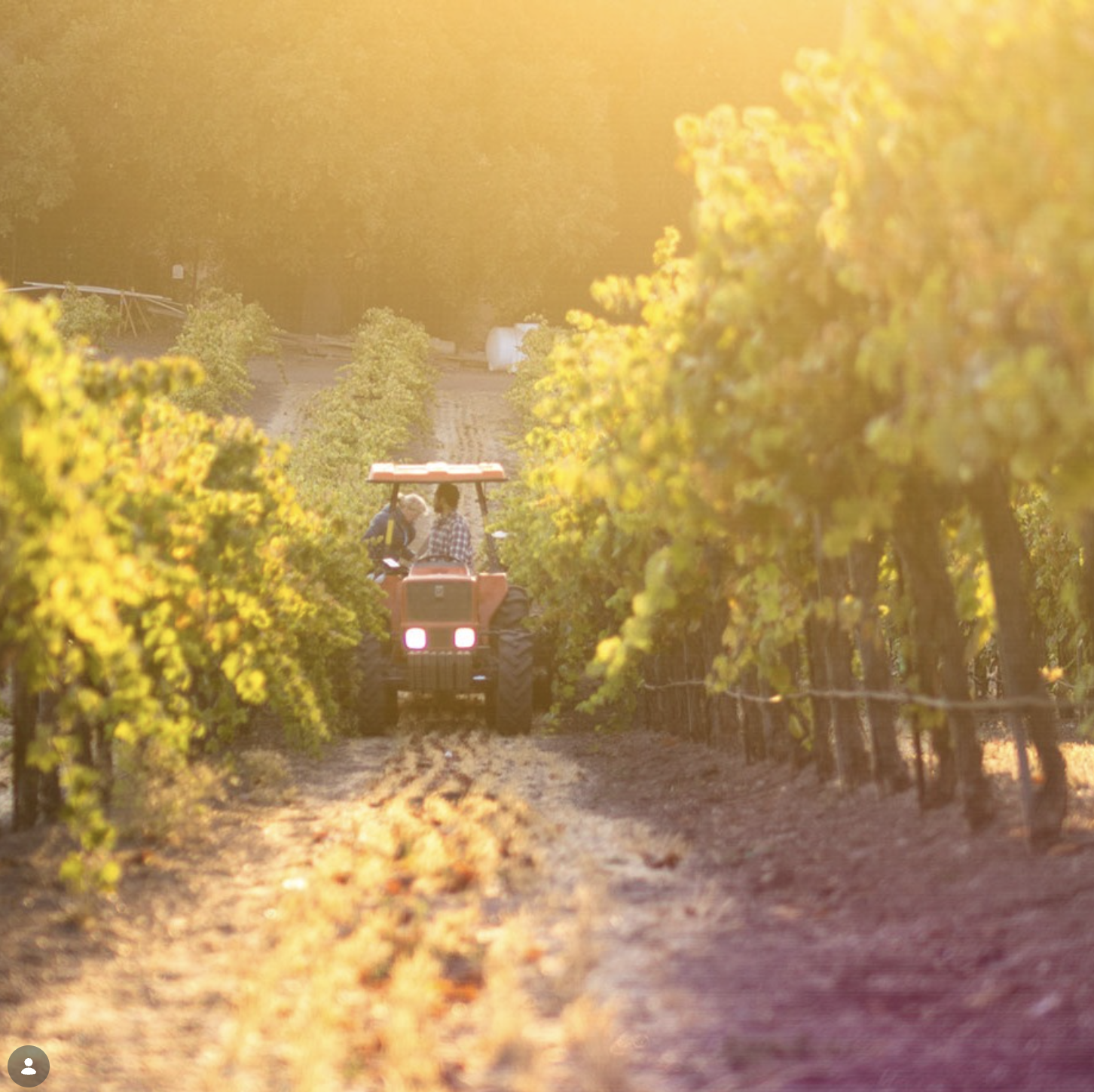
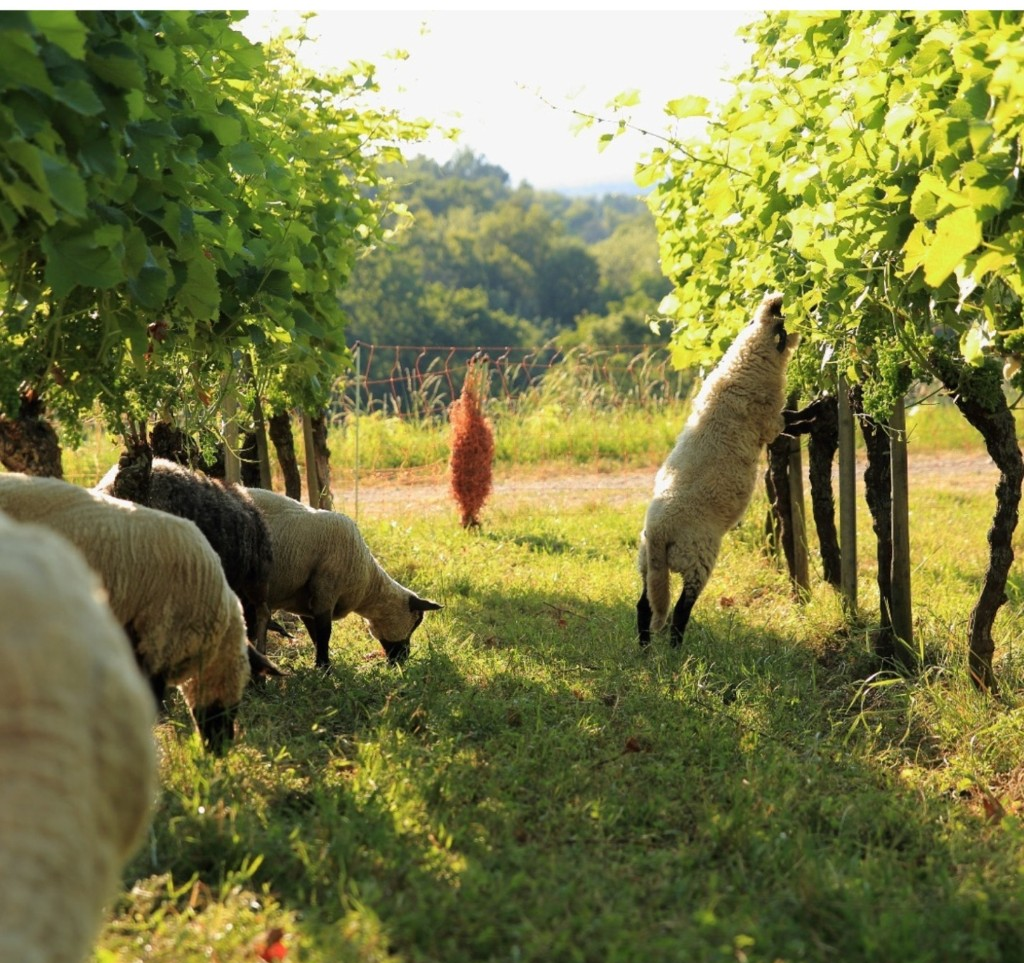
Aum Cellars is an organically farmed, dry-farmed Napa Valley vineyard — estate vines in Coombsville, Atlas Peak, Calistoga, and Mt. George. Sheep graze the rows in winter; living soil and deep roots grow the fruit that becomes the wine.
Nurturing Napa Valley Terroir
Our vineyards span Coombsville, Atlas Peak, Calistoga, and Mt. George in Napa Valley, each with its own soils, elevation, exposure, and growing conditions. We approach each block as a unique ecosystem, working with the character of the site rather than trying to make every vineyard behave the same way.
At Aum Cellars, great wine begins long before the grapes reach the winery. It begins underground—in living soil, deep roots, and a vineyard allowed to find its natural balance.
Regenerative Farming
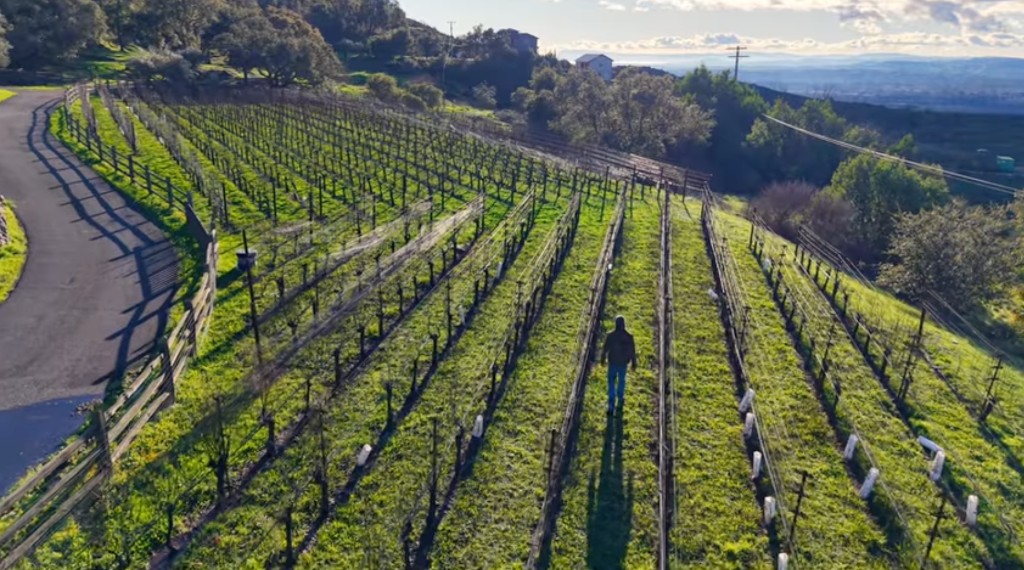
We believe a vineyard is more than rows of vines. It is a living ecosystem—soil, plants, insects, birds, animals, microorganisms, water, and vines all interacting with one another. Pete's approach is straightforward: work with those natural systems rather than trying to control them.
Our estate vineyard is farmed organically, with an emphasis on building healthy soil, encouraging biodiversity, and creating an environment where the vines can thrive naturally. Synthetic pesticides, herbicides, and fertilizers are avoided in favor of farming practices designed to support the vineyard as a whole.
Because Pete is both a winemaker and viticulturist, decisions in the vineyard are made with the finished wine in mind—but also with a much longer view. The goal isn't simply the next harvest. It's healthier vines, healthier soil, and a vineyard capable of sustaining itself for years to come.
Organic & Dry Farmed
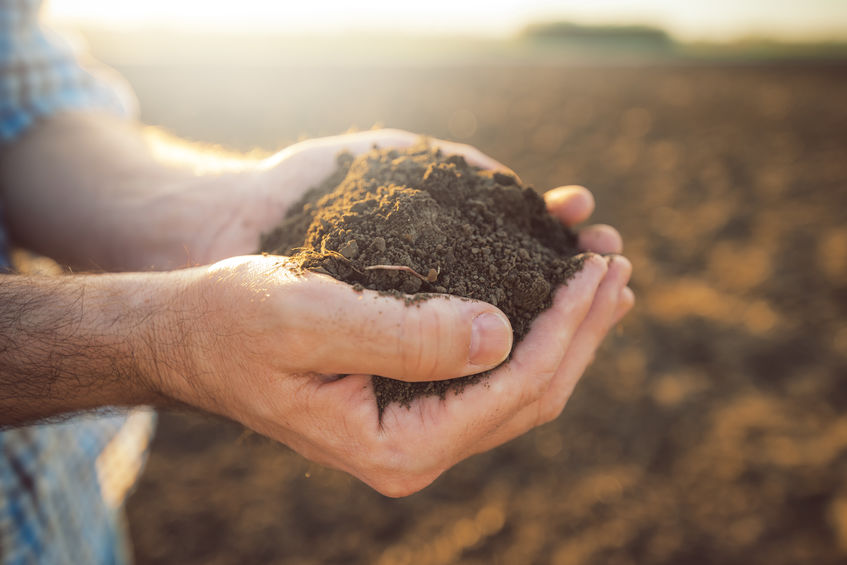
Dry farming encourages vines to develop deeper root systems as they search the soil profile for available moisture rather than depending on routine irrigation. The result is naturally limited yields and fruit whose character is closely connected to the conditions of the vineyard and vintage.
For Pete, that connection matters. Wine should express where it came from—not simply how it was made.
Organic farming practices complement that philosophy. Cover crops, compost, and natural vineyard management help return organic matter to the soil, support biological activity, reduce erosion, and create habitat throughout the vineyard.
Everything begins beneath our feet.
Healthy soil supports the microorganisms and biological activity that help vines flourish. Cover crops contribute organic matter, protect the soil, improve water retention, and provide habitat for beneficial insects and pollinators.
Rather than treating everything growing between the vines as something to eliminate, we recognize diversity as part of a healthy vineyard. The goal isn't a perfectly manicured landscape. It's a functioning ecosystem.
Sheep-Led Soil Balance
During the dormant winter and early spring months, sheep become part of the vineyard crew.
As they graze among the vines, they naturally help manage cover crops while returning nutrients to the soil. Their presence can reduce the need for mowing and tractor passes, helping limit soil compaction and fuel use while contributing to the vineyard's natural nutrient cycle.
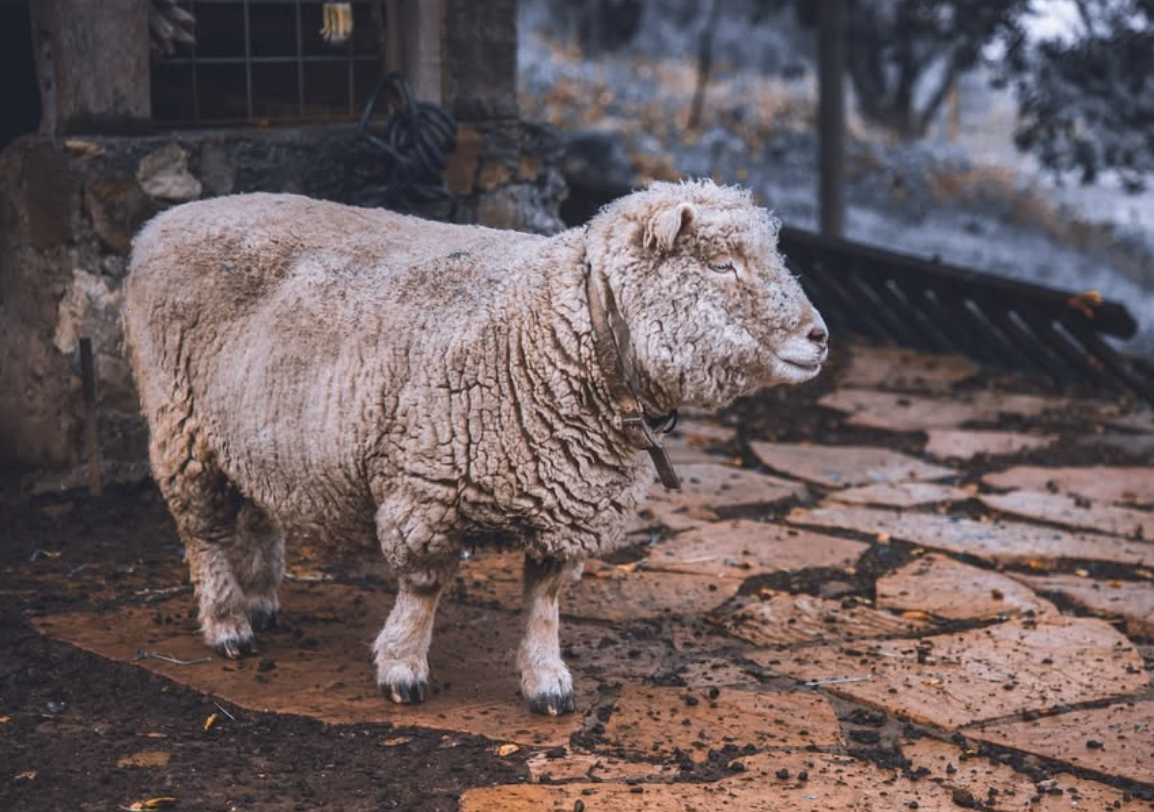
It's a simple relationship that has existed in agriculture for centuries: the vineyard provides forage, the sheep help manage vegetation, and nutrients are returned to the land.
Birds, pollinators, and beneficial insects have roles here too. Birds can help manage insects and rodents, while carefully selected cover crops provide habitat for pollinators and predatory insects. Instead of eliminating every competing organism, Pete works to encourage a vineyard capable of maintaining more of its own natural balance.
A Little Aum
Even the elements that make Aum a little unconventional have a place in the vineyard.
Crystals are intentionally placed among the vines as symbols of grounding, balance, protection, and connection to the land. They reflect Pete's belief that farming is not simply a series of agricultural inputs and outputs. It requires observation, patience, intention, and respect for the place you're working.
You don't have to believe a crystal changes a grape to understand what it represents here: paying attention to the vineyard and treating the land as something more than a production facility.
Ultimately, everything in the vineyard comes back to the wine.
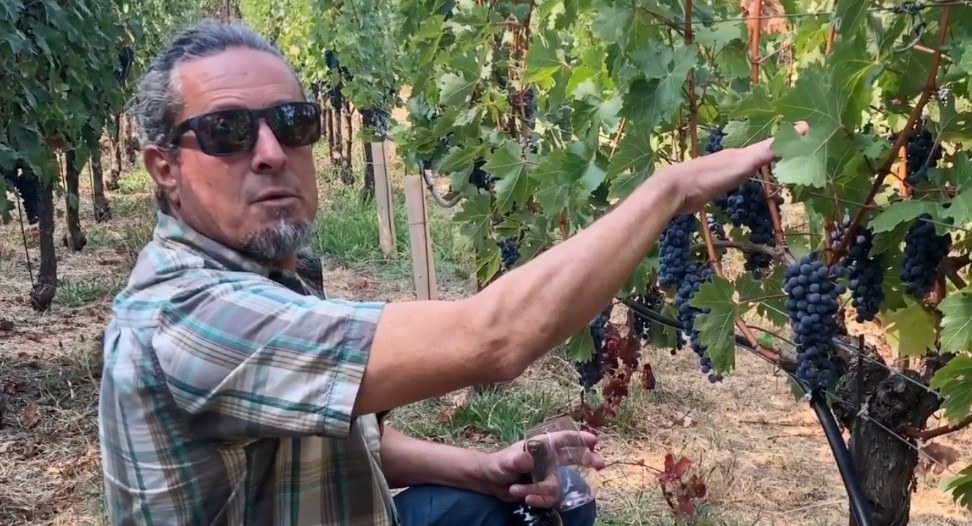
When you grow your own grapes, it's difficult to separate the quality of the wine from the health of the vineyard that produced them.
By caring for the soil, encouraging biodiversity, dry farming where conditions allow, and giving natural processes a greater role, Pete works to grow expressive, balanced fruit that carries the character of its vineyard into the winery.
Healthy soil. Deep roots. Balanced vines.
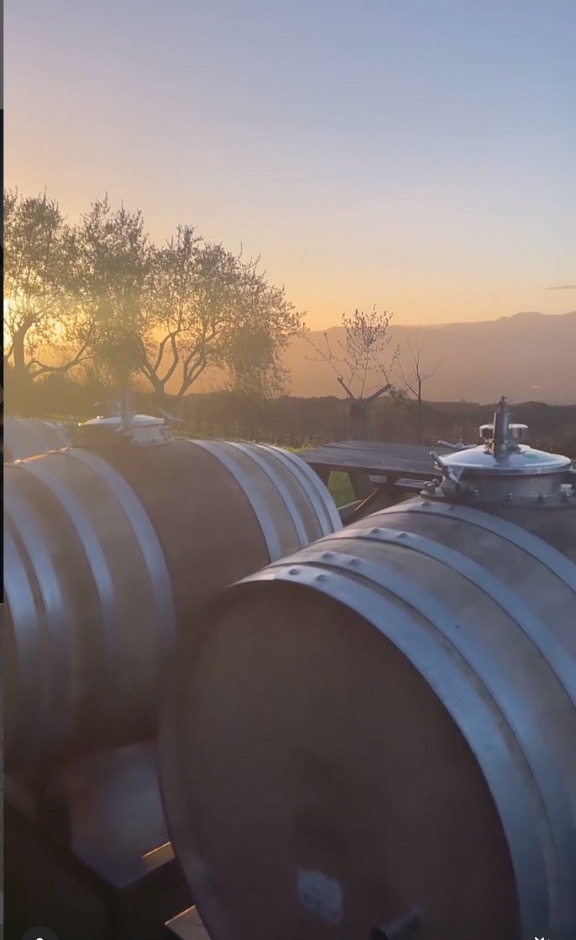
Wild Yeast Fermentation
Once the fruit reaches the winery, the same philosophy continues.
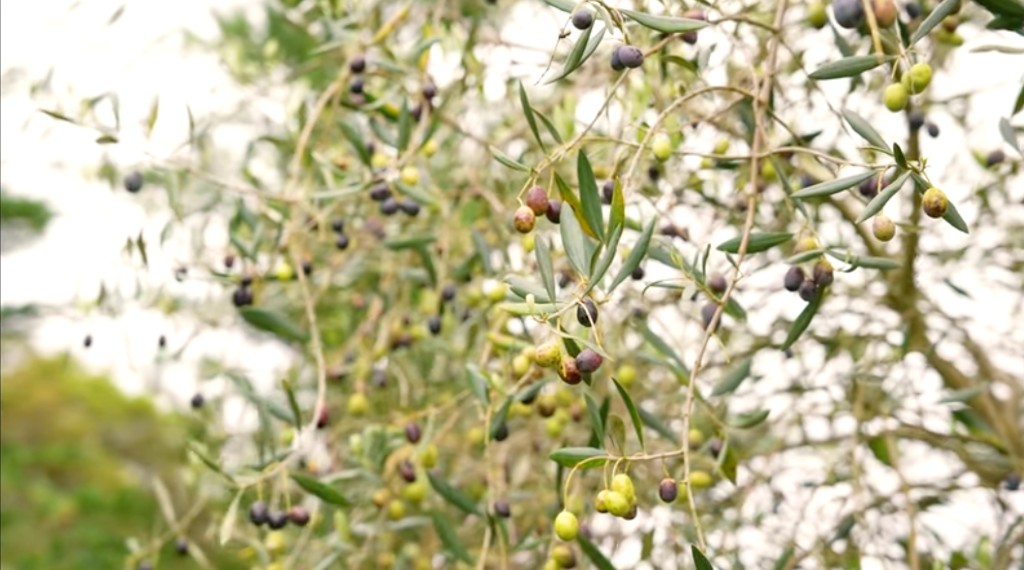
Rather than relying on commercial yeast to dictate fermentation, Aum uses wild yeast fermentation, allowing naturally occurring yeasts from the vineyard and winery environment to help guide the transformation from grape to wine.
It's a traditional approach that embraces variation rather than eliminating it. Fermentations can develop differently from vineyard to vineyard and vintage to vintage, contributing complexity and individuality to the finished wine.
For Pete, that's part of the point. The objective isn't to make exactly the same wine every year. It's to make the best wine that a particular vineyard and vintage have given him.
From Vineyard to Bottle
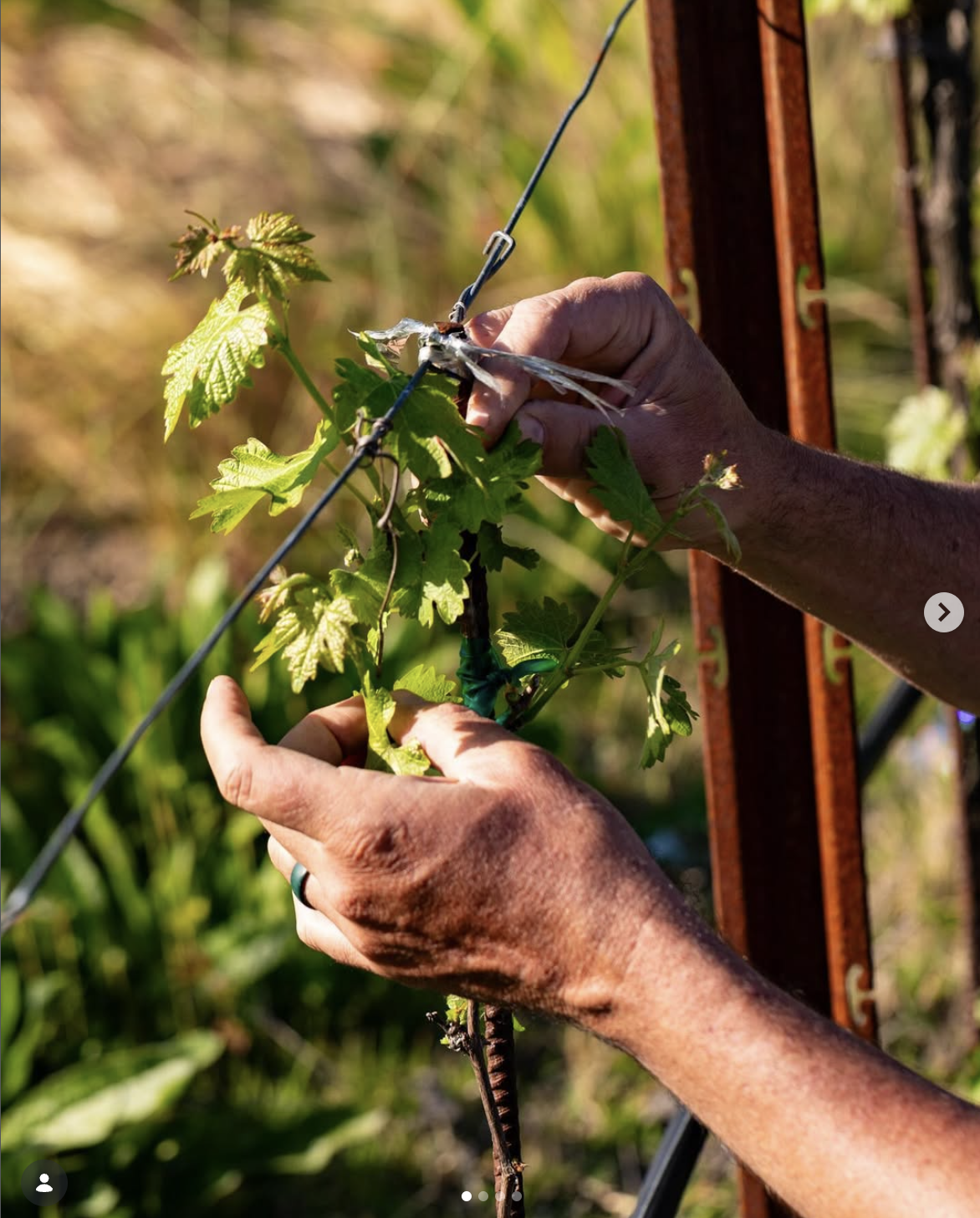
The farming and the winemaking aren't separate philosophies. They're two parts of the same one.
Build living soil. Encourage biodiversity. Let roots explore deeply. Farm with fewer unnecessary interventions. Harvest expressive fruit. Allow native yeast to participate in fermentation. Then give the wine the time and attention it needs without trying to erase the character it developed in the vineyard.
The result is wine that isn't designed for mass production or manufactured to fit a formula.
Aum wines are made for people who appreciate individuality, depth, texture, balance, and the story behind what's in their glass. From Sexy Bitch to limited-production estate wines, each bottle reflects Pete's approach to farming and winemaking—and the particular place and vintage that produced it. That's what terroir means to us. Not simply soil.
Individuality, Depth, Texture, and Balance.
It's the vineyard, the weather, the vines, the organisms beneath them, the animals among them, the decisions made by the farmer, and the passage of a growing season—all eventually captured in a bottle.
Taste the wines that come from this work. Browse the Aum Cellars portfolio
Notes from the rows: Do clean wine brands use dry farming? and What is regenerative farming?.
Good to Know
Frequently Asked Questions
Most Aum Cellars wines are estate grown in Napa — Coombsville, Atlas Peak, and beyond. A few reserve bottlings, including Russian River Pinot Noir and Sierra Foothills Grenache, are made from sourced fruit and are labeled that way.
The vineyard is organically farmed and dry-farmed, with a light hand in the cellar: native yeast, unfined and unfiltered wines, and no recipe winemaking. The aim is wine that tastes of the place it grew.
Estate grown means the grapes are grown, harvested, and made into wine on the same property. Most Aum Cellars wines are estate grown. A few reserve bottlings are made from sourced fruit and say so on the Wines page.